






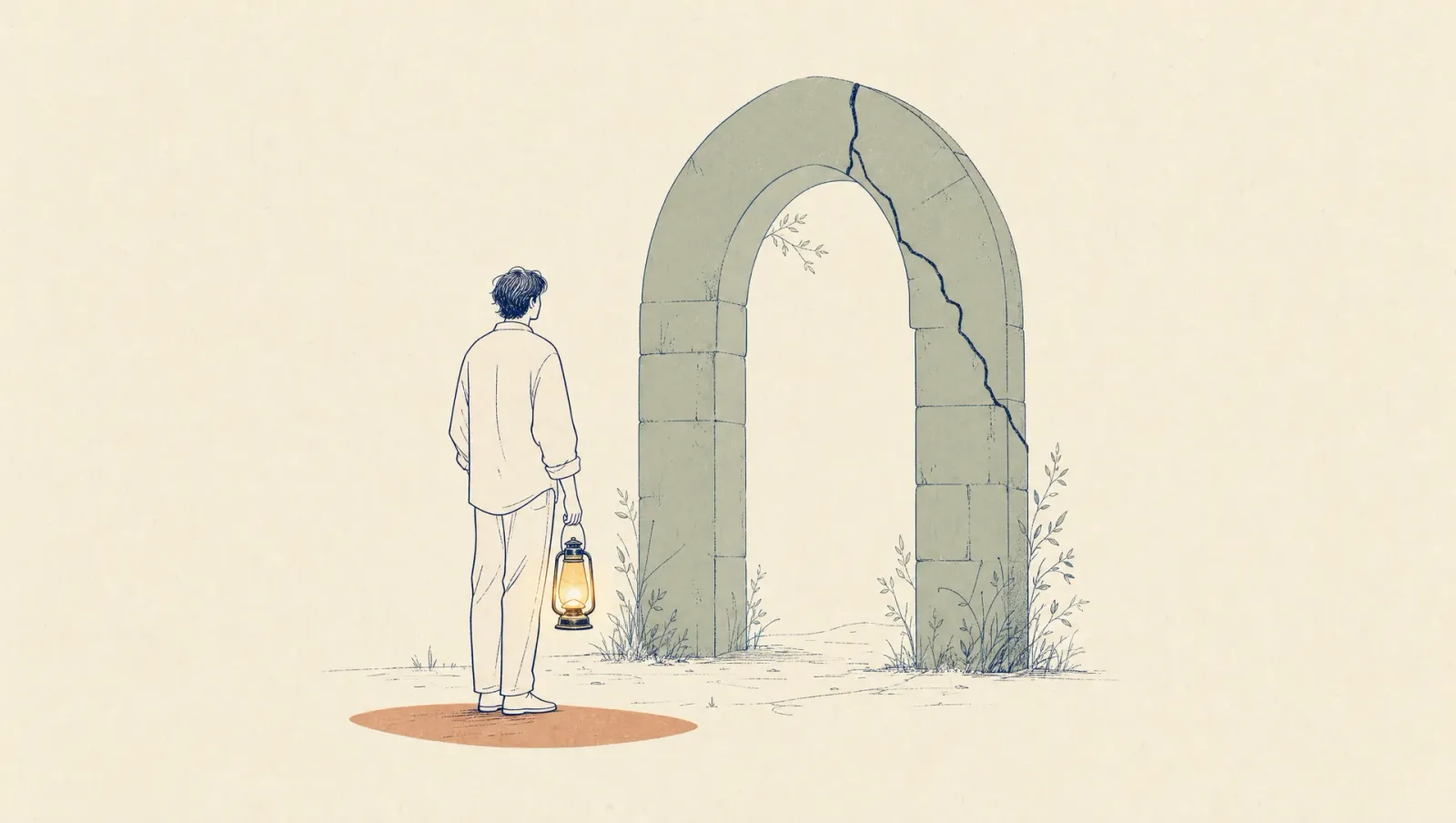
If you've been hurt by a church - by a pastor, a leader, a community you trusted - you already know that the wound doesn't stay in one place. It reaches into your faith, your relationships, and your sense of self. And one of the hardest parts is that other people don't always understand why it cuts so deep.
You're not making it up, you're not being dramatic, and you're not alone in this. Much of what follows overlaps with loneliness, because leaving a church usually means leaving everyone in it.
What church hurt actually is
Church hurt is the emotional and spiritual pain that comes from being wounded by people or systems within a faith community. A disagreement at a deacon meeting or being overlooked at a potluck does not rise to it. Church hurt sits lower, and it lasts longer.
It can look like a lot of different things:
- Spiritual abuse - a leader using scripture or their authority to control, manipulate, or silence you.
- Shaming - being made to feel that your struggles, doubts, or questions make you less faithful or less worthy.
- Exclusion - being pushed to the margins because you didn't fit a certain mold, whether because of your background, your story, or the questions you asked.
- Betrayal of trust - confiding in a pastor or leader and having that vulnerability used against you, dismissed, or shared without your consent.
- Toxic accountability - being subjected to public correction, gossip disguised as prayer requests, or discipline that was more about power than restoration.
Sometimes it's one defining moment. Sometimes it's a slow accumulation of small wounds - the comment from the pulpit that felt aimed at you, the way your family was treated after you asked the wrong question, the silence when you needed someone to show up.
Whatever form it took, the pain is real, and naming it matters.
Why it cuts so deep
A disagreement with a coworker stings, and a falling out with a friend hurts. But church hurt has a unique weight to it, because church was supposed to be different.
You came expecting safety. You came expecting to be known and loved. For many people, church was the one place where they believed they could bring their full selves - their doubts, their brokenness, their hope. When that place becomes the source of the wound, it doesn't just hurt relationally. It disrupts something at the foundation of how you understand God, faith, and your own worth.
"He heals the brokenhearted and binds up their wounds." - Psalm 147:3
That promise can feel complicated when the brokenness came from the very people who were supposed to reflect God's care. You might find yourself wondering whether the problem was you, whether your faith was too weak, whether God saw what happened and chose not to intervene.
Those questions are honest. And they deserve space - not quick answers or pressure to move on.
It often comes tangled with grief. You may be mourning the loss of a community, a mentor, a spiritual home, or even a version of your faith that felt simpler before everything happened. That grief is legitimate, and it doesn't have an expiration date.
What healing looks like
Healing from church hurt is not a straight line. It's not about arriving at a place where the pain no longer matters. It's about being able to carry it without it defining everything.
Here's what that process often involves:
Naming what happened honestly. Not minimizing it to keep the peace. Not inflating it for the sake of anger. Just telling the truth about your experience - to yourself, and to someone who will listen without rushing to fix it.
Separating the people from the faith. This is one of the hardest parts. The people who hurt you may have spoken for God, but they were not God. Untangling what they said and did from what is actually true about your worth and your place in faith takes time. It's okay for that to be a slow process.
"The Lord is close to the brokenhearted and saves those who are crushed in spirit." - Psalm 34:18
Giving yourself permission to grieve. You lost something real. Maybe a community, maybe a calling. Maybe a sense of trust that hasn't come back yet. Grief is not a lack of faith. It's a sign that what you had mattered to you.
Finding safe people. Healing rarely happens in isolation. You don't need a crowd - you need one or two people who can hold your story without judgment, without an agenda, and without trying to rush you toward reconciliation before you're ready.
Reconnecting with God on your own terms. Your relationship with God doesn't have to look the way it did before. It might be quieter for a while, and it might involve fewer structures and more honest conversations than it used to. That's okay. God isn't threatened by your questions or your distance.
"Come to me, all you who are weary and burdened, and I will give you rest." - Matthew 11:28

Moving forward doesn't mean going back
One of the most common pressures people face afterward is the expectation to "just go back." Find a new church. Get plugged in. Move on. And for some people, that may eventually be part of their path. But it doesn't have to be the first step, and it certainly doesn't have to be forced.
Moving forward means choosing what comes next from a place of honesty, not obligation. It might mean finding a new faith community (when you're ready, these are churches we'd send you to). It might mean taking an extended season away from organized church while you rebuild your relationship with God. It might mean starting with one trusted person who can walk alongside you without pressure.
None of those choices make you a bad Christian. None of them mean you've given up on faith. They mean you're taking your healing seriously - and that takes more courage than pretending everything is fine.
The goal isn't to get "back to normal." The goal is to get to a place where your faith feels like yours again - not something that was handed to you by someone who misused your trust.
If you're carrying church hurt and you're not sure where to start, a BetterFaith guide can help. Our biblical counselors and pastors understand the complexity of spiritual wounds - and they won't pressure you to forgive before you're ready, go back before it's safe, or pretend the pain wasn't real. They'll meet you where you are and help you find your way forward, at your own pace. If the hurt has also produced clinical symptoms - trauma responses, persistent depression, anxiety that will not lift - a licensed therapist may be the right first call; our guide on biblical counseling vs therapy walks through how to tell which kind of care fits what you are carrying. Get matched whenever you're ready.